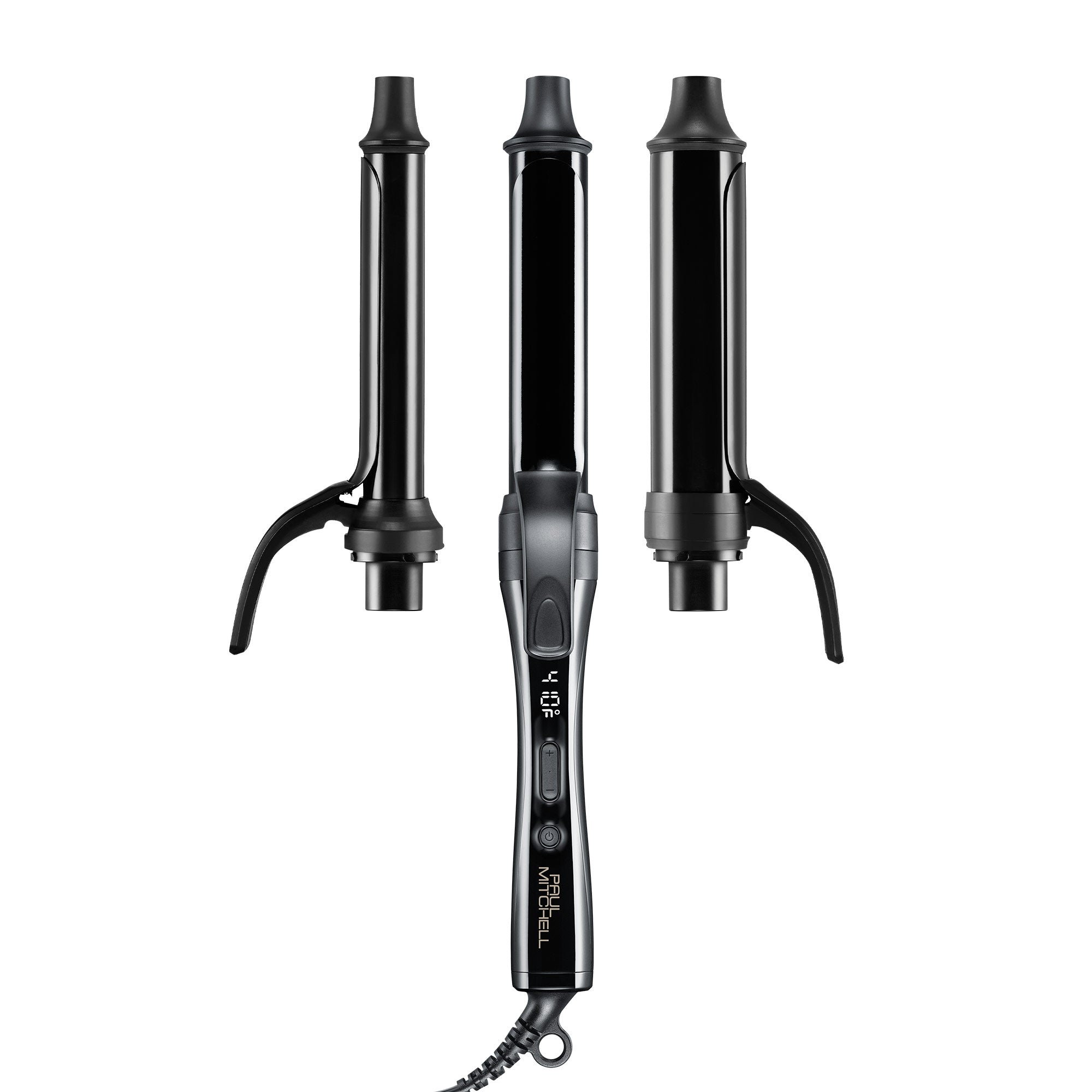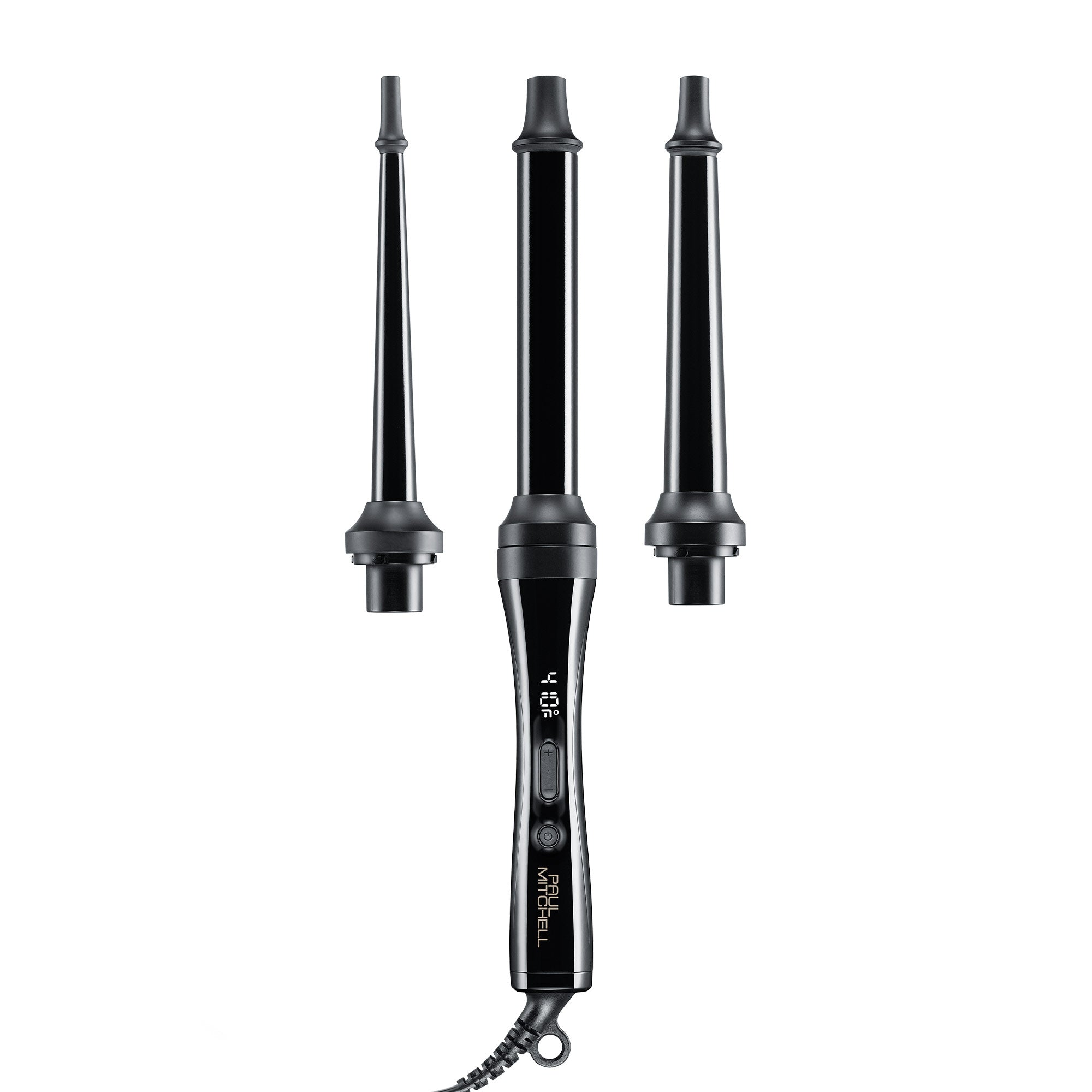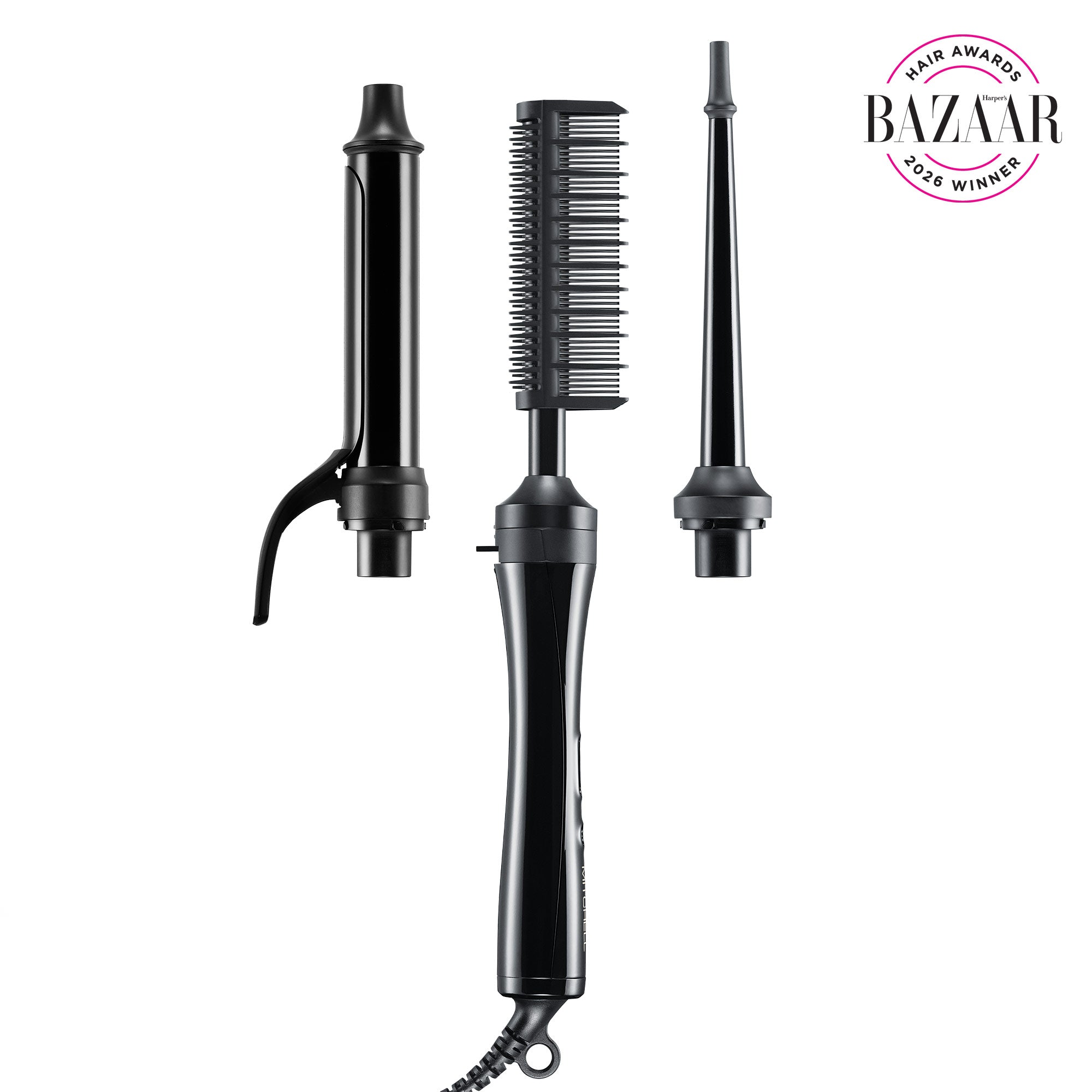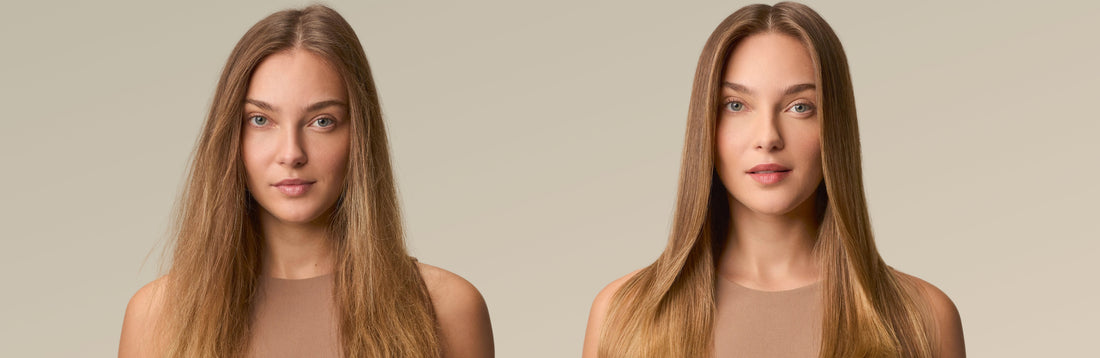
Flat irons, curling irons and blow dryers make styling easier, but repeated exposure to high temperatures can take a toll on hair. The good news: a few simple habits can help minimize unnecessary heat exposure while helping you create the styles you love.
To help protect your hair from heat styling, apply a heat protectant before using hot tools, make sure hair is fully dry before ironing or curling, choose an appropriate temperature, minimize repeated passes and use your tools as directed.
Here are 6 steps to help protect your hair from heat damage.
Step 1: Always Apply a Heat Protectant
 Apply a heat protectant before using a blow dryer, flat iron or curling iron to help create a protective barrier between your hair and the heat.
The right product depends on how you’re styling:
For Flat Irons + Curling Irons
Use a thermal protection spray on dry hair before styling.
Paul Mitchell Hot Off The Press Heat Protectant provides thermal protection up to 450°F and is designed for use with curling irons and flat irons. For long-lasting humidity resistance and up to 450°F thermal protection, Paul Mitchell 3-Day No Frizz Spray offers maximum frizz reduction when followed with a flat iron.
For Blow-Drying
Apply a blowout primer to damp hair before reaching for your dryer.
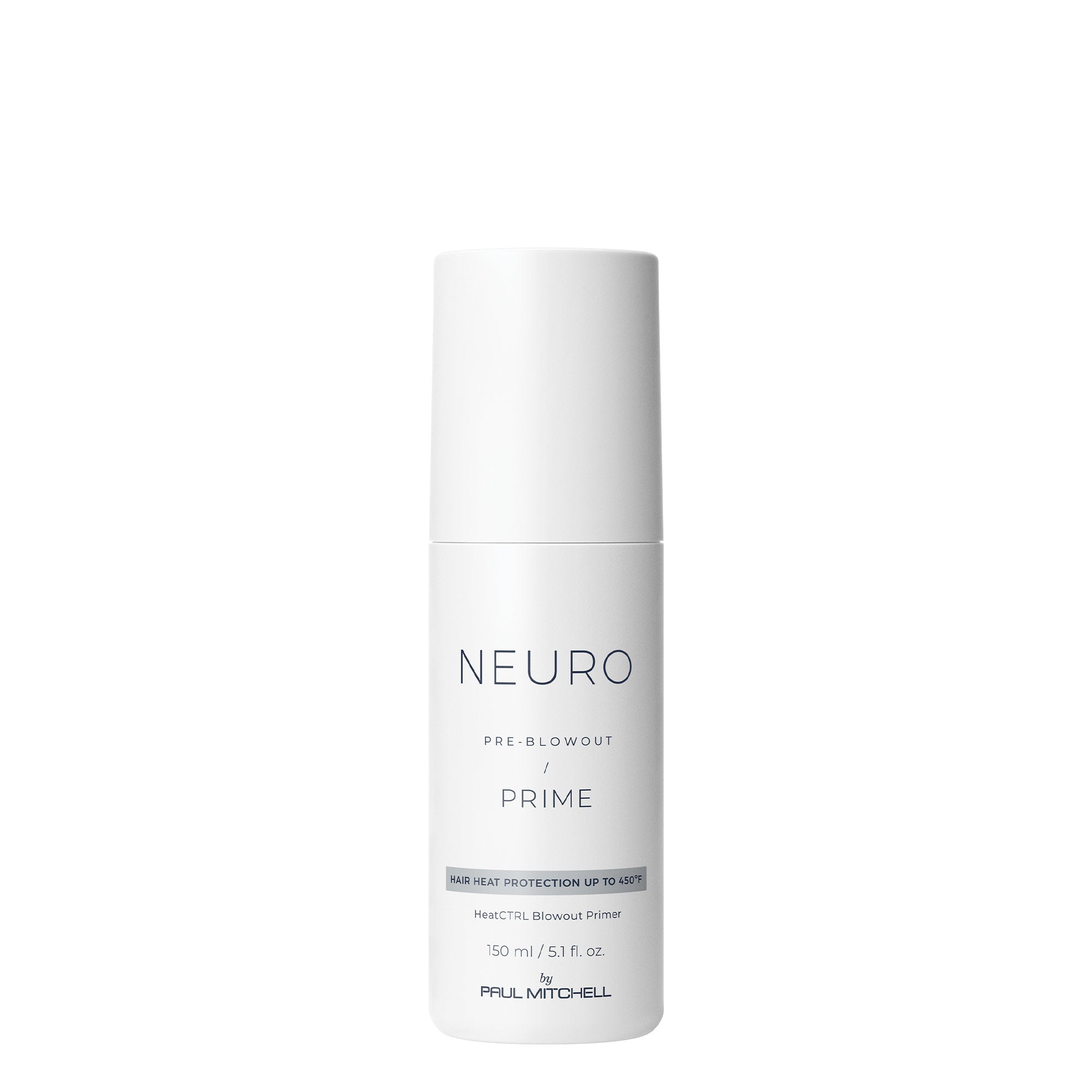
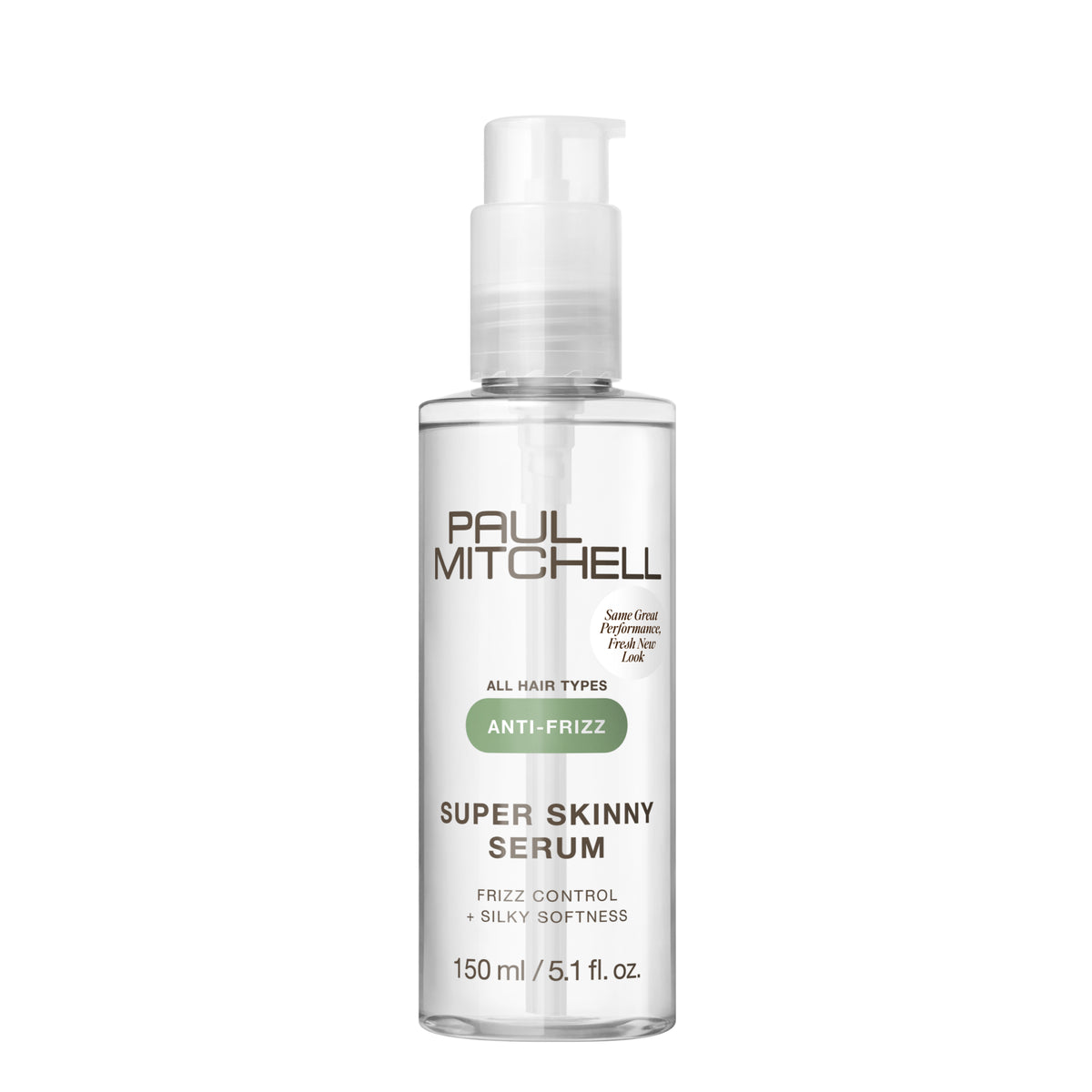
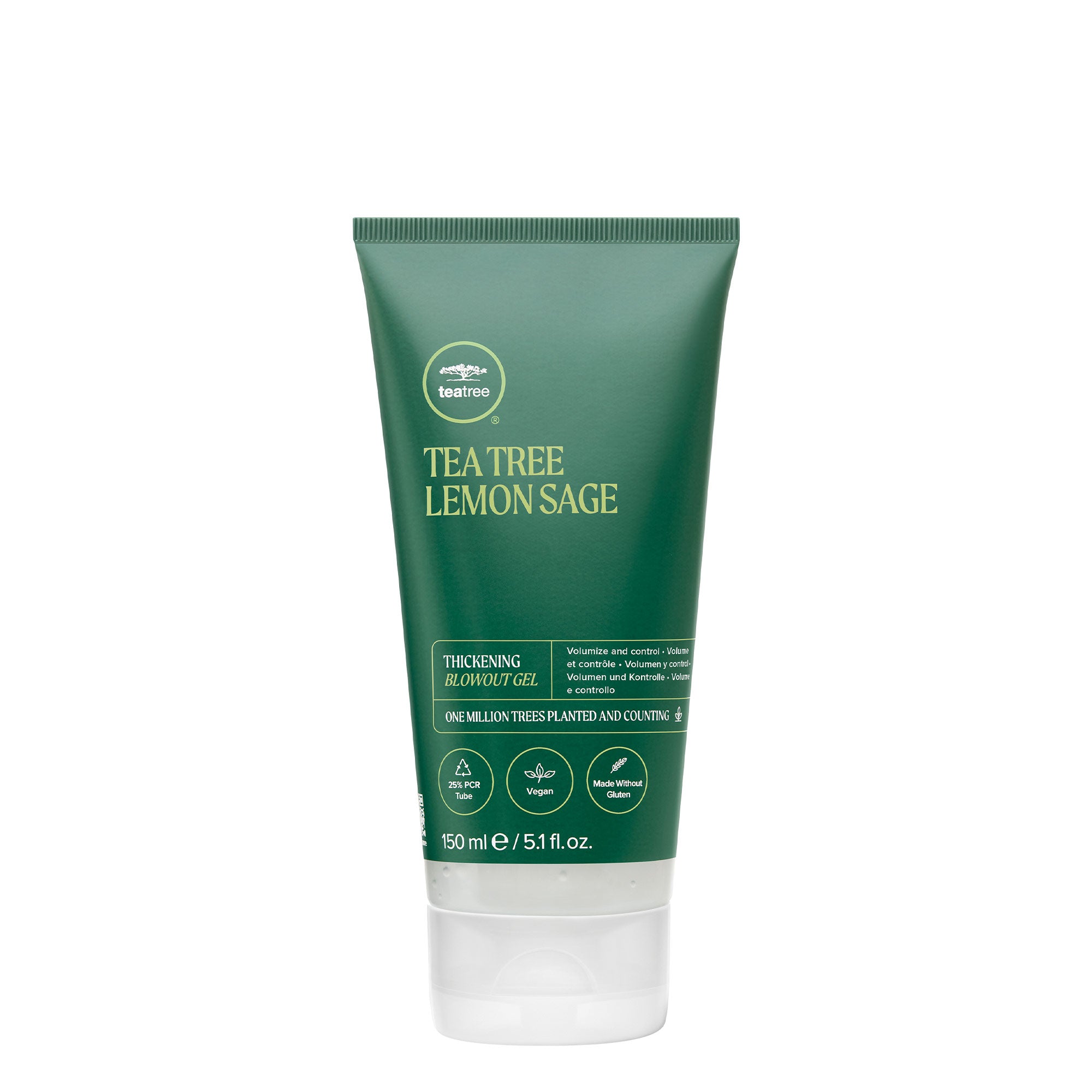
Neuro Prime HeatCTRL Blowout Primer is designed to provide heat protection during blow-drying, while Super Skinny Serum offers heat protection up to 450°F and helps reduce drying time. For fine hair, Tea Tree Lemon Sage Thickening Blowout Gel helps protect against damage from blow-drying while adding weightless body with soft hold.
Step 2: Make Sure Hair Is Dry
Before Using Hot Tools
 Flat irons and curling irons should be used on dry hair unless the tool specifically states otherwise.
If you’re blow-drying first, allowing hair to partially air-dry can shorten the amount of time you spend exposing it to heat.
You can also use a fast-dry styling product such as Super Skinny Serum on damp hair before blow-drying. Its formula is designed to reduce drying time while providing heat protection and smoothing benefits.
Step 3: Choose the Right Heat Setting
 Avoid automatically using the highest temperature available. In general, finer or more fragile hair calls for lower heat, while coarser hair may require a higher setting.
Start lower and increase heat only if needed to achieve your desired result.
Suggested Heat Styling Temperatures by Hair Type
| Temperature Setting | Hair Type |
| 250-290°F (121-143°C) | Fragile, Very Fine |
| 290-330°F (143-166°C) | Fine |
| 330-370°F (166-188°C) | Medium |
| 370-410°F (188-210°C) | Coarse |
| 410-450°F (210-232°C)* | Very Coarse |
Step 4: Limit Repeated Passes
 Try to achieve your desired result without repeatedly running a hot tool over the same section of hair.
Work in manageable sections and use controlled, steady movements. If a section isn’t styling as expected, check your section size and tool temperature rather than automatically making repeated passes.
Step 5: Use Your Blow-Dryer Attachments
 Dryer attachments help control airflow so you can direct heat where you need it.
A concentrator nozzle directs airflow for more controlled blow-drying, while a diffuser disperses airflow and is commonly used when drying curls, waves or more delicate textures.
Step 6: Give Hair Extra Care
Between Styling Sessions
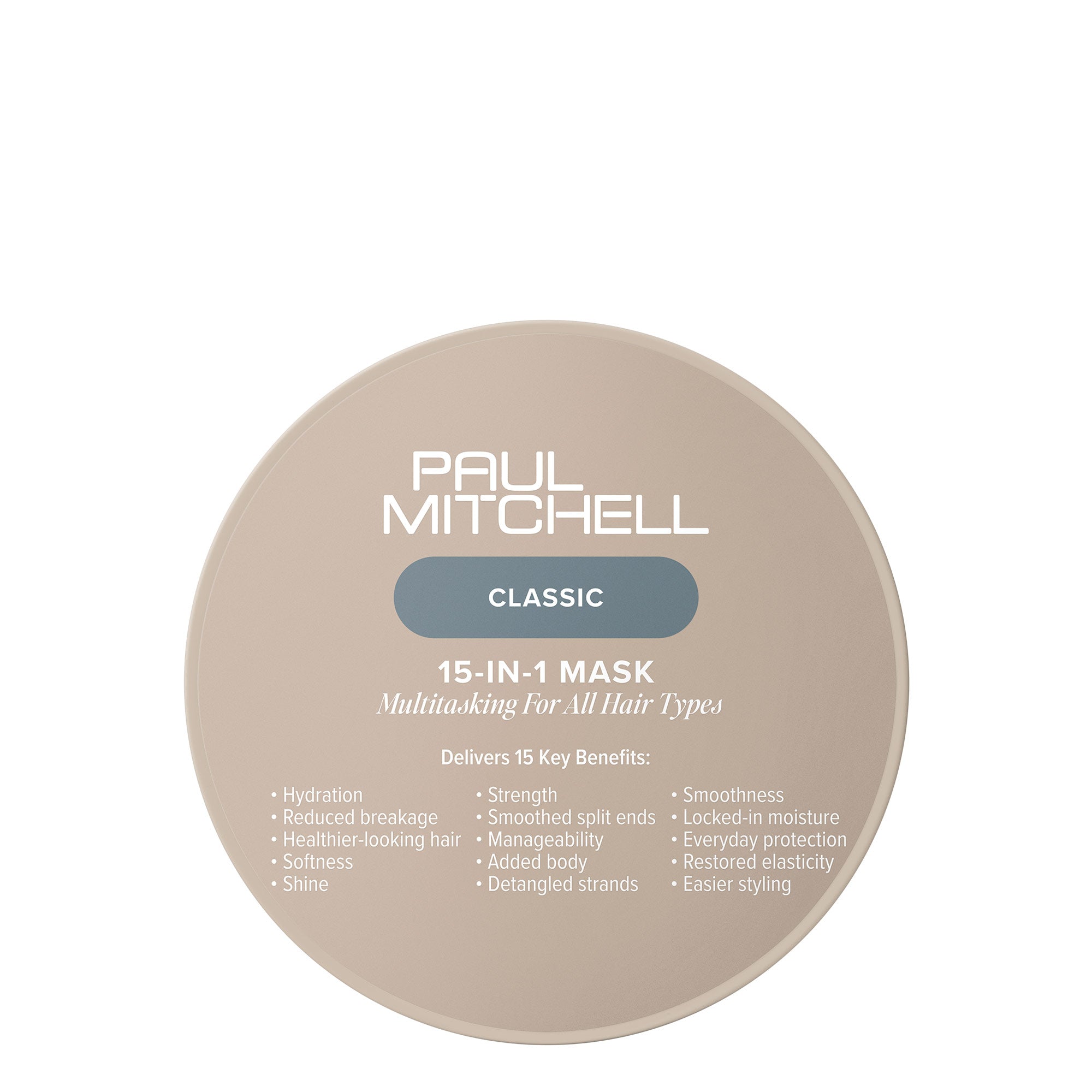
 Conditioning treatments can help replenish moisture and keep hair feeling softer and more manageable between heat-styling sessions.
Add a conditioning treatment or hair mask to your routine based on your hair’s needs, especially if your hair feels dry after frequent styling.
FAQs
Do you put heat protectant on wet or dry hair?
It depends on the formula. Blowout primers and some serums are designed for damp hair, while thermal protection sprays for flat irons and curling irons may be intended for dry hair. Always follow the directions on your heat protectant.
Should I use heat protectant every time I style my hair?
Use your heat protectant as directed whenever you’re using the heat tools specified for that product.
Can you flat iron wet hair?
Unless a flat iron is specifically designed for wet-to-dry styling, hair should be completely dry before using it. Check your tool’s instructions before styling.
What temperature should I use to straighten my hair?
The appropriate temperature depends on your hair type, condition and tool. In general, finer or more fragile hair should be styled at lower temperatures than coarse hair. Start with a lower setting and increase only if necessary.
How can I protect my hair from heat damage?
Apply heat protection, use an appropriate temperature, avoid unnecessary repeated passes, make sure hair is properly prepared for the tool you’re using and condition your hair regularly.
What is the best heat protectant for hair?
The best heat protectant depends on your styling method. Blowout primers are designed for blow-drying, while thermal protection sprays may be better suited to flat irons and curling irons. Paul Mitchell’s heat-protection assortment includes sprays, primers and serums for different styling needs.